

by Becky Fantham (https://unsplash.com/@hungrybecky)
In today’s fast-paced world, sleep is often overlooked, yet it is a crucial part of maintaining a healthy lifestyle. It is during sleep that our bodies perform essential functions such as repairing tissues, consolidating memories, and regulating hormones. The neglect of sleep can lead to a cascade of health issues, ranging from cognitive impairments to chronic diseases. Sleep disorders can significantly disrupt our daily lives, affecting our mood, productivity, and overall health. Understanding and diagnosing these disorders is where sleep studies come into play. This article delves into the importance of sleep studies, the process involved, and why they are vital for diagnosing sleep disorders.
Understanding Sleep Studies
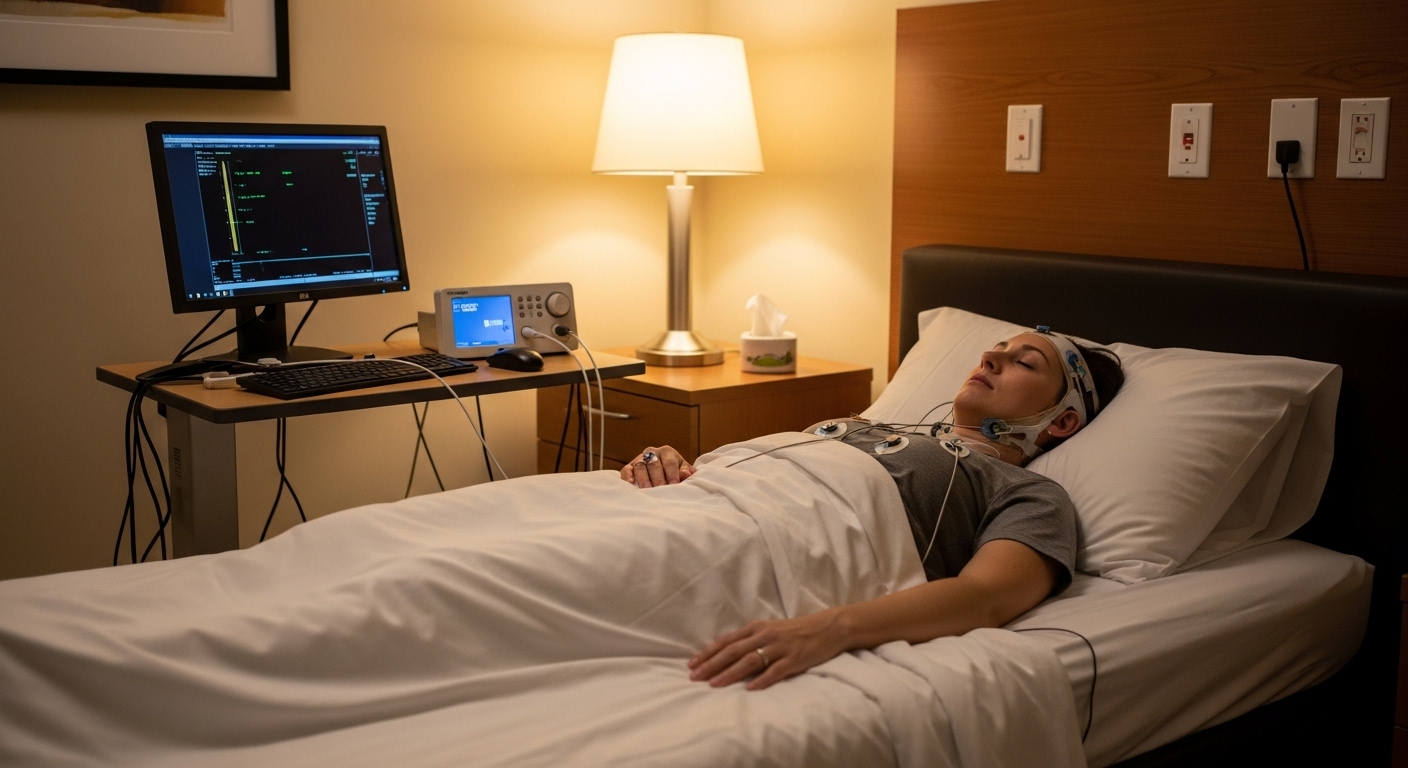
Sleep studies, or polysomnography, are comprehensive tests used to diagnose sleep disorders. They are an invaluable tool in the field of sleep medicine, offering insights that go beyond what can be learned from a standard medical examination. These studies record your brain waves, oxygen levels, heart rate, breathing, and eye and leg movements during sleep. By capturing a wide array of physiological data, sleep studies provide a holistic view of what occurs in the body during rest. The goal is to assess sleep quality and identify any underlying issues affecting sleep, paving the way for targeted treatment strategies.
What is Polysomnography?
Polysomnography is the technical term for a sleep study. It’s a non-invasive and painless test conducted overnight in a sleep lab, which is designed to mimic a comfortable sleep environment while allowing for precise monitoring. During the test, sensors are placed on your scalp, face, chest, limbs, and finger to monitor various body functions. The integration of these multiple data points helps create a comprehensive profile of your sleep patterns.
The data collected provides a detailed look at your sleep stages and cycles, helping doctors pinpoint any abnormalities. This information is crucial for diagnosing conditions such as sleep apnea, restless leg syndrome, narcolepsy, and insomnia. Moreover, the insights gained from polysomnography can also aid in understanding less common disorders, such as parasomnias, and help in distinguishing them from more typical sleep issues.

by Joonas Sild (https://unsplash.com/@joonas1233)
The Sleep Disorder Diagnosis Process
Diagnosing sleep disorders involves several steps, starting with a thorough sleep quality assessment. This assessment considers your sleep patterns, lifestyle habits, and medical history. Your healthcare provider will likely ask detailed questions about your sleep environment, work schedule, and any symptoms you experience. If your doctor suspects a sleep disorder, they might recommend a sleep study to gather more concrete data. This step is often a critical turning point in identifying the precise nature of the sleep disruption.
When to Consider a Sleep Study
Not everyone who has trouble sleeping needs a sleep study. It is normal to experience occasional sleepless nights due to stress or changes in routine. However, if you experience persistent symptoms like loud snoring, choking sounds during sleep, excessive daytime sleepiness, or difficulty staying asleep, it might be time to consider one. These symptoms can be indicative of underlying issues that require medical attention.
A sleep study is particularly important if these symptoms affect your daily life or pose a risk to your safety, such as falling asleep while driving. Moreover, if lifestyle changes and over-the-counter remedies have failed to improve your sleep, a sleep study can provide the diagnostic clarity needed to pursue more targeted interventions.
The Role of Diagnostic Sleep Tests
Diagnostic sleep tests are essential for identifying specific sleep disorders. They provide objective data that cannot be obtained through self-reported sleep logs or questionnaires. Unlike subjective assessments, which can be influenced by personal perception, the data from sleep tests is precise and reliable. This data helps distinguish between different types of sleep disorders, allowing for accurate diagnosis and effective treatment plans. For example, distinguishing between insomnia and sleep apnea is crucial because they require entirely different treatment approaches.
Benefits of Sleep Studies
Sleep studies offer numerous benefits beyond just diagnosing sleep disorders. They provide valuable insights into your overall health and can help prevent long-term health issues. By addressing sleep problems early on, individuals can avoid the cascade of negative health effects associated with chronic sleep deprivation.
Polysomnography Benefits
Polysomnography can reveal conditions that might otherwise go unnoticed. For instance, sleep apnea—a condition where breathing repeatedly stops and starts during sleep—can lead to severe health problems if left untreated. The repeated interruptions in breathing can strain the cardiovascular system, leading to increased risk of conditions like hypertension. Identifying and treating such conditions early can prevent complications like high blood pressure, heart disease, and stroke. Early intervention not only enhances quality of life but can also extend lifespan by reducing the risk of these serious health issues.
Improving Sleep Quality
By identifying the root cause of sleep disturbances, sleep studies enable targeted treatments that can significantly improve sleep quality. Effective treatment can restore restorative sleep, allowing the body and mind to function optimally. Better sleep leads to enhanced mood, increased energy levels, and improved cognitive function. These improvements can translate to better performance in professional and personal activities, as well as a more fulfilling life overall.

by Costa Live (https://unsplash.com/@vendedorescostalive)
Personalized Treatment Plans
The data from a sleep study allows healthcare providers to tailor treatment plans to your specific needs. This personalized approach ensures that interventions are both effective and sustainable. Whether it’s recommending lifestyle changes, prescribing medication, or suggesting the use of a Continuous Positive Airway Pressure (CPAP) machine, the goal is to improve your sleep and overall health. Tailored treatment plans also increase adherence, as patients are more likely to follow through with solutions that address their unique challenges and preferences.
The Importance of Sleep
Sleep is vital for our physical and mental well-being. It plays a critical role in brain function, emotional regulation, and physical health. During sleep, the brain processes information, consolidates memories, and clears out toxins. Lack of sleep can lead to a host of problems, including impaired memory, weakened immunity, and increased risk of chronic conditions. Chronic sleep deprivation has been linked to obesity, diabetes, and even certain cancers, underscoring the importance of prioritizing sleep health.
Understanding the Impact of Sleep Disorders
Sleep disorders not only affect the quality of sleep but also have broader implications on health. Conditions like insomnia and sleep apnea are linked to depression, anxiety, and cardiovascular issues. The relationship between sleep and mental health is bidirectional, meaning poor sleep can exacerbate mental health issues, and vice versa. Therefore, diagnosing and treating these disorders is crucial for long-term health. Effective treatment can break this cycle, improving both sleep and overall well-being.
The Sleep Study Importance in Public Health
On a larger scale, addressing sleep disorders through sleep studies can have significant public health benefits. Widespread sleep issues can strain healthcare systems and reduce economic productivity. Improved sleep health can reduce healthcare costs, increase workplace productivity, and enhance quality of life. Communities with better sleep health experience lower rates of absenteeism, fewer accidents, and improved social functioning. As awareness of the importance of sleep grows, so too does the potential for sleep studies to make a meaningful impact on public health.
Conclusion
Sleep studies are an essential tool in the diagnosis and management of sleep disorders. They provide critical insights into sleep patterns and help identify underlying issues that affect sleep quality. By understanding and addressing sleep disorders, individuals can improve their health, productivity, and overall quality of life. Sleep studies not only aid in diagnosis but also empower individuals with the knowledge needed to make informed decisions about their health.
If you suspect you have a sleep disorder, talk to your healthcare provider about whether a sleep study might be right for you. Early diagnosis and treatment can prevent complications and improve outcomes. Remember, better sleep leads to better health. Prioritizing sleep is an investment in your future, with benefits that extend far beyond a single night’s rest.