
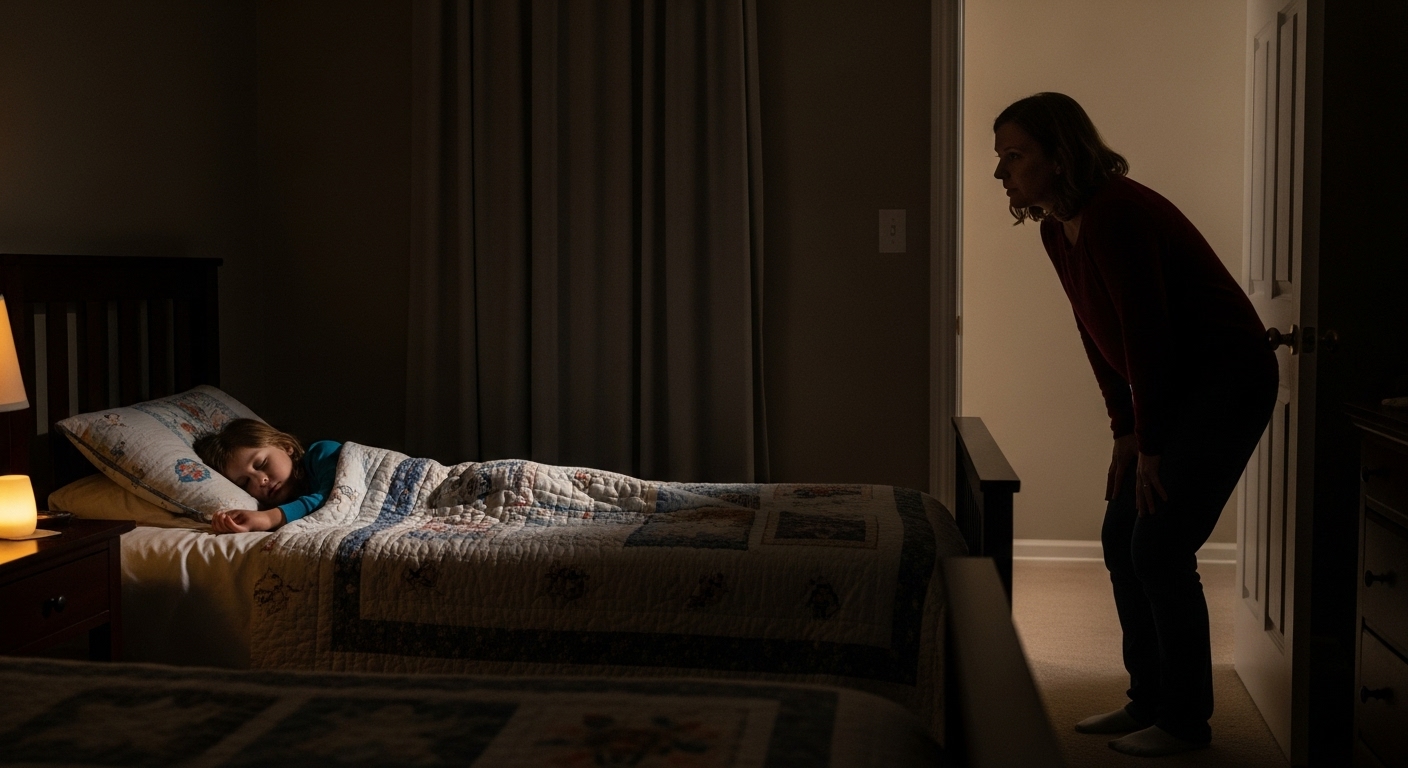
# Recognizing the Signs of Sleep Disorders in Children
Sleep is crucial for a child’s development and overall well-being. Yet, many children experience sleep disorders that often go unnoticed. Understanding and recognizing the signs of sleep disorders in children is vital for improving their sleep quality and ensuring their healthy growth. This article will delve into common pediatric sleep problems, signs to watch for, and the importance of pediatric sleep studies.
by Marius Muresan (https://unsplash.com/@muresan113)
Pediatric sleep disorders encompass a variety of issues that affect a child’s ability to get restful sleep. These disorders can lead to daytime fatigue, learning problems, and behavioral issues. Being aware of these disorders can help parents and caregivers take the necessary steps to address them.
Types of Sleep Disorders in Children
- Insomnia: Difficulty falling or staying asleep.
- Sleep Apnea: Breathing interruptions during sleep, often marked by snoring or gasping.
- Restless Leg Syndrome: Uncomfortable sensations in the legs, leading to the urge to move them.
- Night Terrors and Sleepwalking: Episodes of intense fear or walking during sleep without waking.
Importance of Sleep for Children
Sleep is not just about rest. For children, it plays a significant role in their physical and mental development. It supports growth, boosts the immune system, and enhances learning and memory. Therefore, it’s crucial to ensure that children get quality sleep.
Recognizing Sleep Disorder Signs in Children
by George Dagerotip (https://unsplash.com/@dagerotip)
As a parent or caregiver, it’s essential to be observant of your child’s sleep patterns and behaviors. Here are common signs that may indicate a sleep disorder:
Daytime Symptoms
- Excessive Sleepiness: If your child is frequently tired during the day, it may signal a lack of restful sleep at night.
- Difficulty Waking Up: Struggling to wake up in the morning can be a sign of insufficient sleep.
- Behavioral Issues: Irritability, hyperactivity, or difficulty concentrating may be linked to poor sleep quality.
Nighttime Symptoms
- Snoring or Breathing Pauses: Loud snoring or pauses in breathing can be signs of childhood sleep apnea.
- Restlessness: Frequent tossing and turning or kicking during sleep may indicate restless leg syndrome or other issues.
- Nightmares or Night Terrors: Regular nightmares or intense episodes of fear during sleep can point to sleep disturbances.
Diagnosing Sleep Issues in Kids

by Vitaly Gariev (https://unsplash.com/@silverkblack)
If you suspect your child has a sleep disorder, consulting a healthcare professional is crucial. They may recommend a pediatric sleep study to diagnose the problem accurately.
What is a Pediatric Sleep Study?
A pediatric sleep study, also known as polysomnography, is a non-invasive test that monitors your child’s sleep patterns, breathing, and other physiological functions during sleep. It helps in diagnosing conditions like sleep apnea or other sleep-related issues.
Preparing for a Sleep Study
- Explain the Process: Prepare your child by explaining what will happen during the study to ease any anxiety.
- Pack Comfort Items: Bring familiar items like a favorite blanket or toy to help your child feel comfortable in the sleep lab.
- Follow Pre-Study Instructions: Ensure your child follows any pre-study guidelines provided by the healthcare provider, such as avoiding caffeine.
Addressing Pediatric Sleep Problems
Once a sleep disorder is diagnosed, there are several strategies and treatments available to improve your child’s sleep quality.
Lifestyle Changes
- Consistent Sleep Routine: Establishing a regular bedtime and wake-up time can help regulate your child’s internal clock.
- Healthy Sleep Environment: Ensure the bedroom is dark, quiet, and cool to promote restful sleep.
- Limit Screen Time: Reduce exposure to screens before bedtime as they can interfere with the ability to fall asleep.
Medical Interventions
In some cases, medical treatment may be necessary. For example, childhood sleep apnea might require the use of a CPAP machine to keep airways open during sleep.
Behavioral Therapy
Behavioral interventions, such as cognitive-behavioral therapy for insomnia (CBT-I), can be effective in addressing certain sleep disorders like insomnia or anxiety-related sleep issues.
When to Seek Professional Help
While occasional sleep disruptions are normal, persistent issues warrant professional evaluation. If your child’s sleep problems are affecting their daily life, academic performance, or emotional well-being, it’s time to consult a pediatrician or sleep specialist.
Conclusion
Recognizing the signs of sleep disorders in children is the first step toward ensuring they receive the rest they need for healthy development. By understanding common symptoms and seeking appropriate medical advice, parents can significantly improve their child’s sleep quality. Investing in your child’s sleep is investing in their future well-being and success.
By being proactive and attentive, you can help your child overcome sleep challenges and enjoy the benefits of restorative sleep. Remember, good sleep is the foundation of a healthy, happy childhood.