
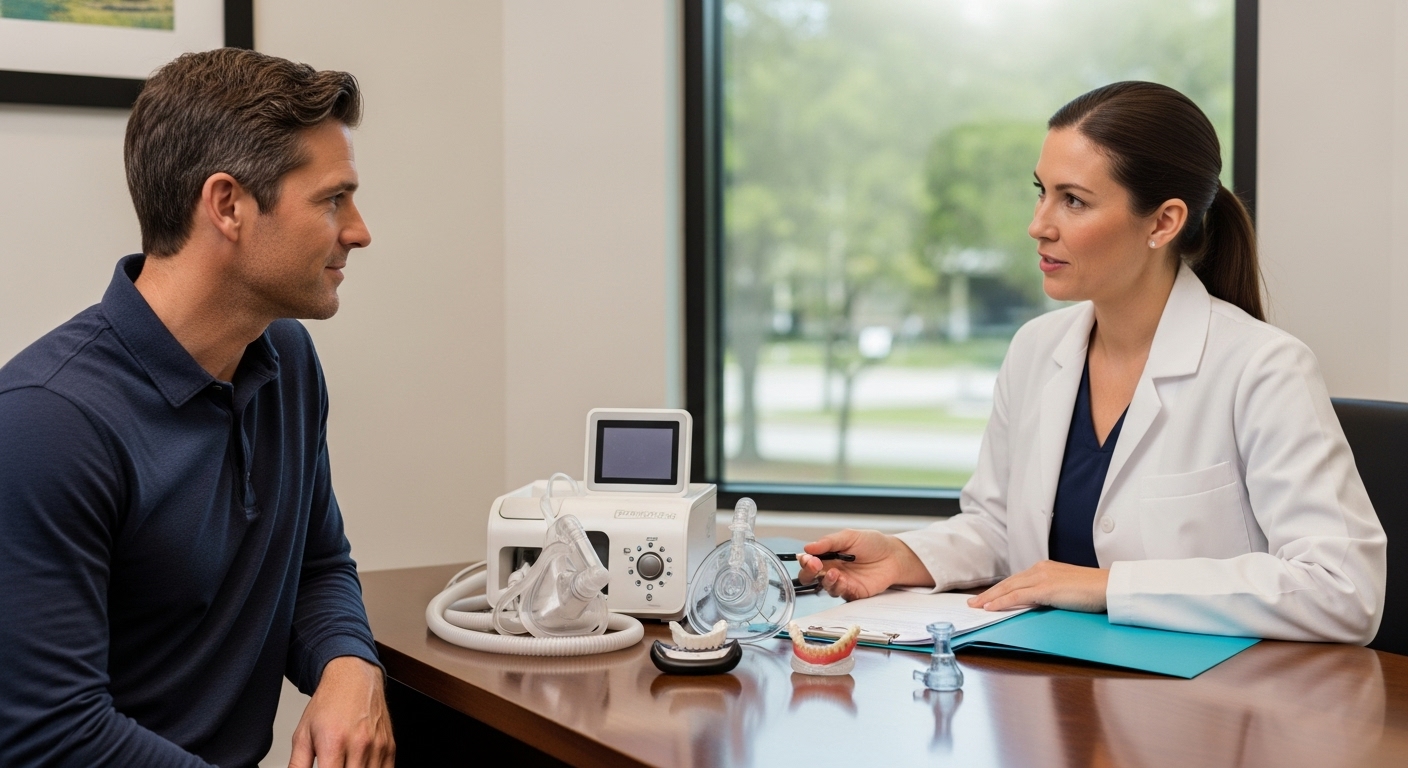
Obstructive Sleep Apnea (OSA) is a common and potentially serious sleep disorder that affects millions of people worldwide. It occurs when the muscles at the back of your throat relax too much to allow normal breathing. This relaxation leads to repeated episodes of partial or complete blockage of the upper airway during sleep, resulting in interrupted sleep and lower oxygen levels in the blood. The good news is that there are several treatment options available to help manage and alleviate the symptoms of OSA, ranging from lifestyle changes to innovative technological solutions.
In this article, we’ll explore various treatment options for obstructive sleep apnea, including traditional methods and some innovative alternatives. Understanding these options can empower individuals to make informed decisions about their health and improve their quality of life.
by The Cleveland Museum of Art (https://unsplash.com/@clevelandart)
Before diving into the treatment options, it’s essential to understand what obstructive sleep apnea is and the impact it can have on your health. OSA can cause loud snoring, gasping for air during sleep, and frequent awakenings. Over time, these disruptions can lead to excessive daytime sleepiness, irritability, and difficulty concentrating, affecting daily functioning and quality of life. If left untreated, it can lead to severe health issues such as high blood pressure, heart disease, and type 2 diabetes, which can significantly increase the risk of long-term health complications.
The key to effective management of sleep apnea is early diagnosis and a comprehensive treatment plan tailored to the individual’s needs. This involves a thorough evaluation by a healthcare provider, which may include a sleep study to accurately diagnose the severity of the condition. With a proper diagnosis, individuals can work with their healthcare team to explore and implement the most suitable treatment options.
Continuous Positive Airway Pressure (CPAP)
The most common and effective treatment for obstructive sleep apnea is the use of a Continuous Positive Airway Pressure (CPAP) machine. This method is widely recommended by healthcare professionals due to its high success rate in alleviating symptoms and improving sleep quality.
How CPAP Works
A CPAP machine delivers a steady stream of pressurized air through a mask worn over the nose or mouth during sleep. This consistent air pressure helps keep the airway open, preventing the interruptions in breathing that characterize sleep apnea. By maintaining an open airway, CPAP therapy reduces or eliminates the occurrence of apneas and hypopneas, allowing for more restful and uninterrupted sleep.
Benefits and Challenges
CPAP is highly effective in reducing or eliminating sleep apnea symptoms, leading to improved sleep quality and overall health. Many users report feeling more rested and alert during the day after beginning CPAP therapy. However, it can be uncomfortable for some users, leading them to seek alternative solutions. Common challenges include mask discomfort, nasal congestion, and the sensation of claustrophobia, which can affect compliance and long-term use.
Despite these challenges, many individuals find ways to adapt to CPAP therapy over time. With advancements in mask design and machine technology, newer models offer improved comfort and usability. Working closely with a healthcare provider can help address any issues and enhance the overall experience with CPAP therapy.
CPAP Alternatives
For those who find CPAP machines uncomfortable or ineffective, there are several alternatives available. Exploring these options can provide relief for individuals seeking different approaches to managing their sleep apnea.
Oral Appliance Therapy
Oral appliance therapy involves wearing a custom-fitted device in the mouth during sleep. This device, similar to a sports mouthguard, helps to keep the airway open by repositioning the jaw or tongue. By stabilizing the lower jaw and tongue, oral appliances prevent airway collapse, reducing the frequency and severity of apneas.
Advantages of Oral Appliances
- Comfortable and easy to wear compared to CPAP masks, making them a preferred option for many.
- Portable and convenient for travel, allowing for consistent use even away from home.
- Often covered by insurance, making them a cost-effective alternative for many patients.
Oral appliances are a viable option for individuals with mild to moderate sleep apnea who cannot tolerate CPAP therapy. They are also beneficial for those who experience positional sleep apnea, where symptoms primarily occur when sleeping on the back.
Positional Therapy
Some people experience sleep apnea primarily when sleeping on their back. Positional therapy involves using devices or techniques to encourage side sleeping, which can reduce apnea episodes. Simple methods, such as sewing a tennis ball into the back of a pajama top, can prevent back sleeping, while more advanced devices monitor sleep position and provide gentle reminders to shift positions.
Lifestyle Changes
Implementing certain lifestyle changes can also help manage sleep apnea symptoms. These include:
- Losing weight, which can reduce the severity of sleep apnea by decreasing the amount of tissue in the throat that can block the airway.
- Avoiding alcohol and sedatives before bedtime, as these substances can relax the throat muscles and exacerbate apnea events.
- Establishing a regular sleep schedule to promote consistent and restorative sleep patterns.
Lifestyle modifications can be particularly beneficial for those with mild OSA and can complement other treatment options for more comprehensive management of the condition.
Surgical Options
For individuals who do not respond well to CPAP or other non-invasive treatments, surgery may be considered. Various surgical procedures are available to address the physical causes of sleep apnea, offering a more permanent solution for some patients.
Types of Surgery
- Uvulopalatopharyngoplasty (UPPP): Removes excess tissue from the throat to widen the airway, reducing the potential for obstruction.
- Genioglossus Advancement (GA): Repositions the tongue muscle attachment to prevent airway collapse, enhancing airway stability.
- Maxillomandibular Advancement (MMA): Repositions the upper and lower jaws to enlarge the airway, often used for more severe cases.
Surgery is typically considered when other treatments have failed or in cases of severe sleep apnea. A thorough evaluation by an experienced surgeon can help determine the most appropriate surgical option based on individual anatomy and severity of the condition.
Innovative Treatment Solutions
Emerging technologies and treatments are continually being developed to improve sleep apnea management. These innovations offer additional options for individuals seeking alternatives to traditional therapies.
Hypoglossal Nerve Stimulation
This treatment involves implanting a small device that stimulates the hypoglossal nerve, which controls tongue movement. The stimulation helps keep the airway open during sleep by preventing the tongue from collapsing backward. Hypoglossal nerve stimulation has shown promising results in clinical trials, providing significant improvement in sleep apnea symptoms for many patients.
Expiratory Positive Airway Pressure (EPAP) Devices
EPAP devices are small, disposable devices placed over the nostrils. They create resistance during exhalation, helping to keep the airway open. These devices are simple to use and can be an effective alternative for individuals who find CPAP therapy uncomfortable or inconvenient.
Nasal Expiratory Positive Airway Pressure (nEPAP)
Similar to EPAP, nEPAP devices are designed for nasal use and can be a comfortable alternative for some users. These devices are particularly useful for individuals with nasal congestion or those who prefer a less invasive option compared to CPAP masks.
Managing Sleep Apnea Symptoms
Regardless of the treatment chosen, managing sleep apnea effectively requires ongoing monitoring and adjustments. Regular follow-ups with healthcare providers are essential to ensure the selected treatment is working as intended. This includes periodic evaluations of sleep quality, symptom improvement, and any potential side effects of treatment.
Sleep Health Solutions
In addition to medical treatments, various sleep health solutions can enhance overall sleep quality. These include:
- Using blackout curtains to create a dark sleeping environment, which can help regulate sleep-wake cycles and improve sleep quality.
- Maintaining a cool room temperature, as a cooler environment is conducive to better sleep.
- Investing in a comfortable mattress and pillows to provide adequate support and promote restful sleep.
A holistic approach to sleep health can complement the primary treatment for obstructive sleep apnea, leading to better outcomes and improved well-being.
Conclusion
Obstructive sleep apnea is a manageable condition with a range of treatment options available to suit different needs and preferences. From traditional CPAP therapy to innovative surgical and non-invasive solutions, individuals with sleep apnea can find relief and improve their quality of life. Each option offers unique benefits and may be suitable for different severities and personal circumstances.
If you suspect you have sleep apnea, consult with a healthcare professional to explore your options and develop a personalized treatment plan. With the right approach, you can achieve better sleep and protect your overall health, paving the way for a more energized and fulfilling life.