
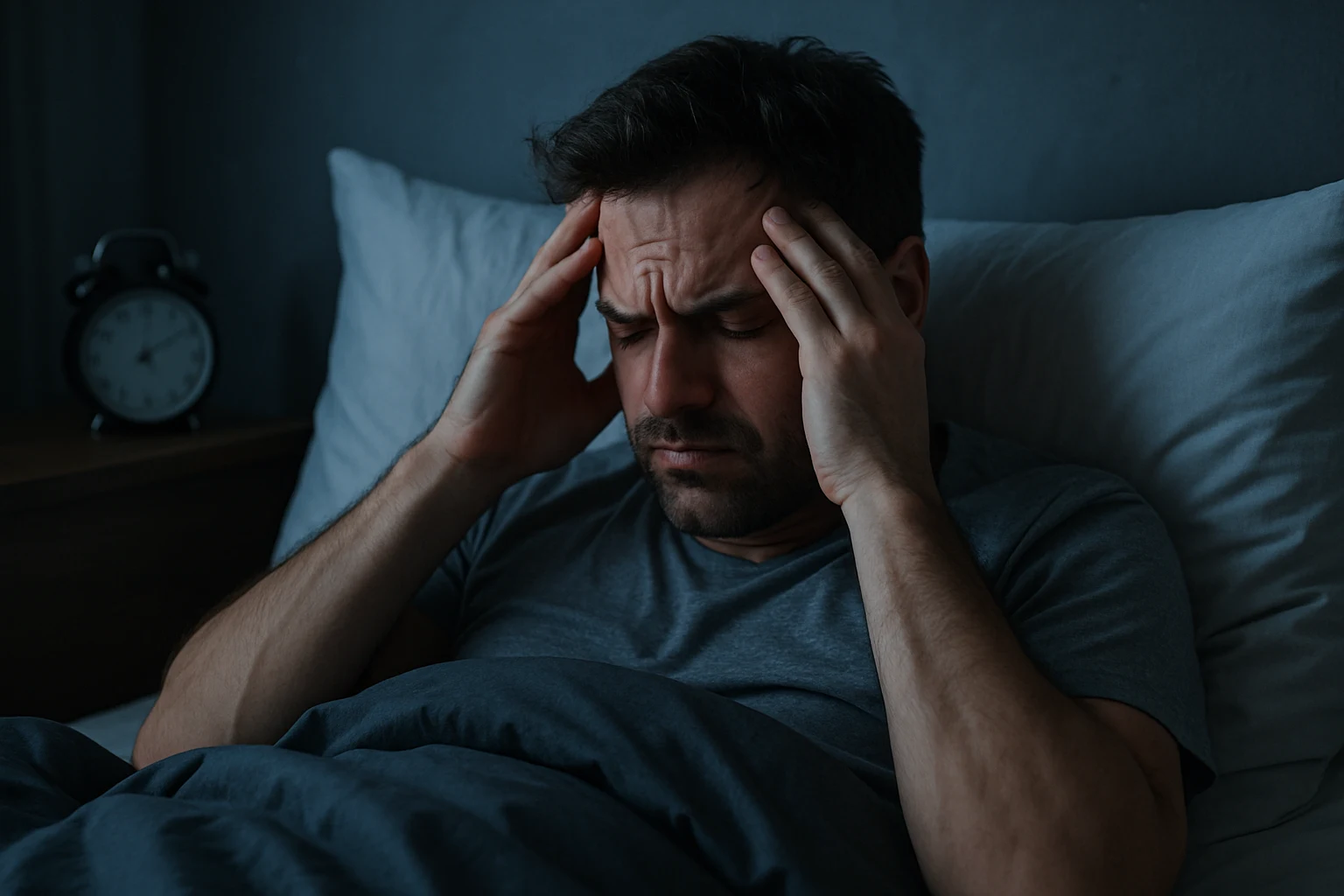
Stress and anxiety have become constant companions for many adults today, especially those juggling work, family, and personal responsibilities. Unfortunately, these emotional pressures can significantly interfere with your body’s ability to rest. When your mind stays alert long after your body is ready to wind down, nights become restless, mornings feel exhausting, and long-term health begins to suffer. For people looking for relaxation techniques for better sleep, understanding how emotional tension affects your mind and body is the first essential step.
At New Mexico Sleep Labs, we work with patients every day who struggle to break the cycle of stress-induced sleep issues. The good news? There are evidence-based strategies that can help you restore restful nights — and feel more in control of your health and energy.
How Stress and Anxiety Affect Your Brain and Body at Night
Stress activates your sympathetic nervous system — the “fight or flight” response — even when there’s no real danger. Your heart rate rises, breathing becomes shallow, and stress hormones flood your bloodstream. While this process is helpful during emergencies, it becomes harmful when triggered at bedtime.
Here’s what happens internally when you try to sleep while stressed:
- Your brain continues racing through thoughts, emotions, and unfinished tasks.
- Muscles stay tense, making physical relaxation difficult.
- Cortisol remains elevated, keeping you from transitioning into deep sleep.
- The nervous system stays active, causing fragmented rest or prolonged nighttime wakefulness.
Over time, this build-up of emotional tension can lead to chronic sleep problems, especially for those who already struggle with nighttime worries or physical tension.
Why Anxiety Makes Falling Asleep Even Harder
Anxiety is rooted in fear, anticipation, or constant mental alerts. When nighttime arrives, anxious individuals may feel their symptoms intensify due to the quiet, still environment. Without daily distractions, the mind tends to focus on concerns, chores, relationships, health, or worst-case scenarios.
As a result, people often seek insomnia help because the problem snowballs: You worry about not sleeping, which creates more anxiety — which then keeps you from sleeping.
Some signs that anxiety is negatively affecting your rest include:
- You replay conversations from the day.
- You feel your heart racing when trying to fall asleep.
- Your breathing becomes shallow.
- You anticipate not sleeping well even before getting into bed.
- Your mind jumps between concerns without control.
This mental loop disrupts sleep quality by making it harder to enter restorative stages such as deep sleep and REM sleep.
How Stress and Anxiety Can Lead to Sleep Disorders
Although many people assume stress only causes short-term restlessness, prolonged emotional strain can actually trigger or worsen sleep disorders. This happens because the brain becomes conditioned to associate bedtime with worry, tension, or failure to rest.
Common stress-related sleep conditions include:
- Psychophysiological insomnia — where the body becomes physically conditioned to stay awake at night.
- Delayed sleep phase syndrome — when your natural circadian rhythm shifts later due to ongoing anxiety or irregular habits.
- Nighttime panic attacks — sudden, intense episodes of fear that interrupt sleep.
This is why improving sleep often requires addressing both mental and physical components of nighttime rest.

Practical Ways to Reduce Stress and Improve Your Sleep
The path to better rest begins by rewiring the brain’s connection to nighttime. Instead of approaching sleep with worry, you can adopt patterns that create calm, predictability, and trust in your body’s natural rhythms.
Below are scientifically supported strategies recommended by sleep specialists, mental health professionals, and clinical researchers.
1. Create a Calming Bedtime Routine
A predictable nightly ritual prepares your brain to transition away from daytime stress. You can try:
- Soft lighting 1–2 hours before bed
- Listening to calming music or nature sounds
- Reading something light, positive, or grounding
- A warm bath or shower to lower your core temperature
- Light stretching to relax tense muscles
Consistency builds neurological association — bedtime becomes a signal to release stress, not amplify it.
2. Try Guided Breathing and Mindfulness Exercises
Breathing techniques help deactivate the sympathetic nervous system and activate the parasympathetic nervous system — your body’s “rest and digest” mode.
Helpful practices include:
- 4-7-8 breathing
- Box breathing
- Body scan meditation
- Guided sleep meditations or audio tracks
These tools help slow your thoughts, deepen your breath, and release internal tension.
3. Limit Stimulants and Late-Night Triggers
Even small lifestyle choices can keep your brain overly alert at night. Reducing the following can have immediate benefits:
- Caffeine after 2 p.m.
- Alcohol close to bedtime
- Heavy meals late in the evening
- Blue light exposure from phones or tablets
Your brain needs darkness, quiet, and security to shift into sleep mode.
4. Build a Sleep-Friendly Environment
Your bedroom should become a sanctuary designed solely for rest. Specialists recommend:
- Cooler temperatures (65–68°F)
- Blackout curtains
- Supportive pillows and mattress
- Minimal noise or a white noise machine
- Removing work-related items from sight
This trains your mind to associate the room with comfort and safety.
5. Seek Professional Support When Needed
If stress or anxiety has affected your nights for more than a few weeks, clinical guidance can provide relief faster and more effectively than going it alone. Sleep professionals can help diagnose whether your challenges are emotional, physiological, or both.
At New Mexico Sleep Labs, evaluations may include:
- Sleep studies to understand nighttime patterns
- Assessments for underlying medical conditions
- Personalized treatment plans
- Counseling for nighttime anxiety
- Behavioral strategies for long-term improvement
Getting help is never a sign of weakness — it’s a sign of prioritizing your health and well-being.
Conclusion
Stress and anxiety can create a powerful cycle that disrupts your nights and impacts your health, energy, and overall quality of life. By understanding how emotional tension interferes with rest, you can begin introducing calming habits that retrain your brain and body to embrace nighttime tranquility. Whether through breathing exercises, environmental adjustments, or professional guidance, real improvement is possible — and you deserve the kind of restorative sleep that strengthens your mind, body, and spirit.