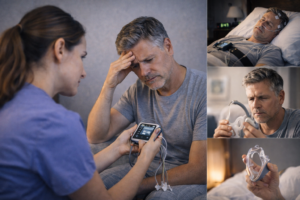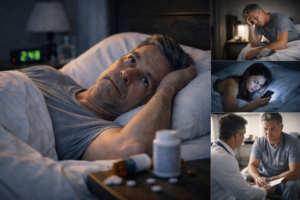
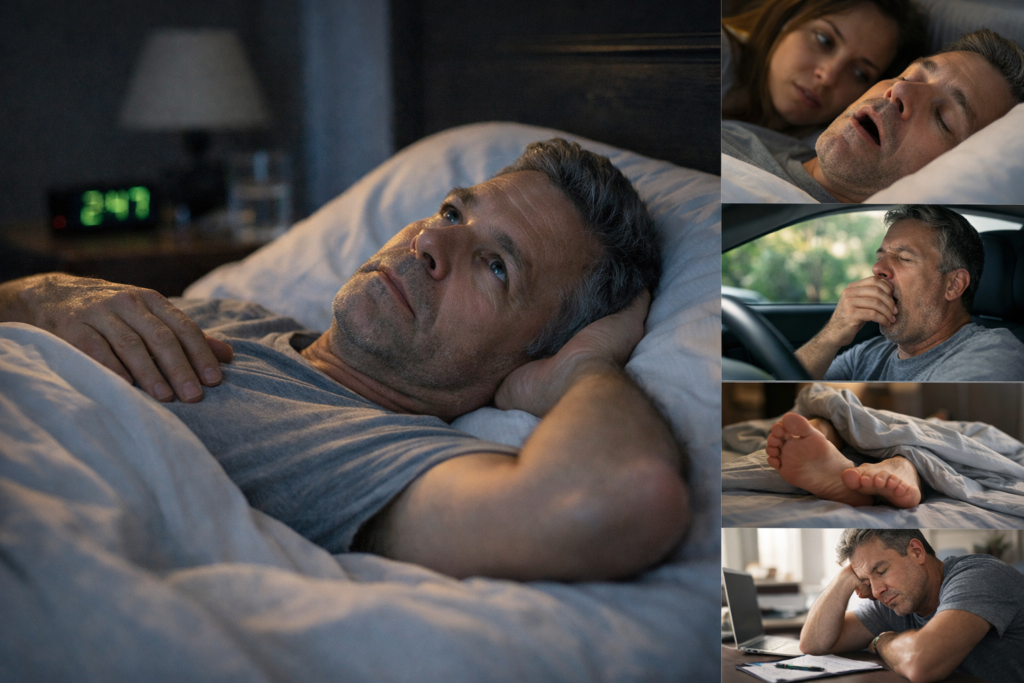
When people think of sleep apnea, they often picture loud, disruptive snoring that keeps everyone in the house awake. While snoring is a common symptom, it is not the only sign—and it is not always present. In fact, many individuals with sleep apnea have subtle symptoms that go unnoticed for years, allowing the condition to quietly impact their health.
At New Mexico Sleep Labs, we frequently see patients who never suspected sleep apnea because they don’t snore loudly or at all. Understanding the less obvious warning signs is essential for early diagnosis and long-term well-being.
Why Sleep Apnea Often Goes Unrecognized
Sleep apnea develops gradually, and many of its symptoms overlap with everyday fatigue or stress. People may assume their exhaustion is due to a busy schedule, aging, or lifestyle habits, rather than an underlying sleep disorder.
What makes sleep apnea particularly concerning is that its effects occur during sleep, when individuals are unaware of what their body is experiencing. Over time, repeated breathing interruptions can lead to serious health consequences if left untreated.
Understanding Sleep Apnea Beyond Snoring
Sleep apnea is a condition in which breathing repeatedly stops and starts during sleep. These pauses reduce oxygen levels and force the brain to briefly wake the body to resume breathing. Most people do not remember these awakenings, but they prevent the body from reaching deep, restorative sleep.
While snoring is a common red flag, it is not required for a diagnosis. Many patients experience sleep apnea symptoms that are far more subtle but equally important.
Subtle Signs That May Point to Sleep Apnea
Sleep apnea does not always announce itself loudly. In many cases, the signs are quiet, gradual, and easy to dismiss.
Some mild sleep apnea signs include:
- Waking up feeling unrefreshed despite sleeping enough hours
- Morning headaches
- Difficulty concentrating or memory lapses
- Irritability or mood changes
- Dry mouth or sore throat upon waking
- Frequent nighttime awakenings without a clear cause
Because these symptoms develop slowly, they are often normalized and ignored.
Can You Have Sleep Apnea Without Snoring?
Yes—sleep apnea without snoring is more common than many people realize. Some individuals experience airway collapse or restricted breathing without producing significant noise. This is especially true in cases of mild or moderate sleep apnea, or when breathing disruptions are more subtle.
People who live alone may be particularly unaware of nighttime breathing issues, as there is no bed partner to observe pauses, gasping, or restless sleep.
How Breathing Disruptions Affect the Body
During healthy sleep, breathing remains steady and oxygen levels stay stable. In sleep apnea, repeated breathing disruptions during sleep cause oxygen levels to drop and trigger stress responses in the body.
These repeated stress events can lead to:
- Elevated blood pressure
- Increased heart rate
- Inflammation
- Hormonal imbalances
- Fragmented sleep cycles
Over time, this strain affects cardiovascular health, metabolism, mood, and cognitive function.
The Hidden Danger of Undiagnosed Sleep Apnea
One of the greatest risks associated with sleep apnea is how frequently it remains untreated. Many individuals live for years with undiagnosed sleep apnea, unaware that their nightly breathing interruptions are contributing to chronic fatigue and long-term health risks.
Untreated sleep apnea has been linked to:
- High blood pressure
- Heart disease
- Stroke
- Type 2 diabetes
- Increased risk of accidents due to fatigue
Early recognition is key to preventing these complications.
Why Daytime Symptoms Matter
Sleep apnea doesn’t only affect nighttime rest—it significantly impacts daytime functioning. Because sleep is fragmented, the brain and body never fully recover.
Daytime warning signs may include:
- Excessive sleepiness
- Trouble staying alert while driving or working
- Reduced productivity
- Emotional sensitivity
- Lack of motivation
These symptoms are often attributed to stress or poor sleep habits, delaying proper evaluation.
Who Is at Risk for Subtle Sleep Apnea?
Sleep apnea can affect individuals of all ages and body types. While certain factors increase risk, the condition is not limited to one profile.
Risk factors include:
- Family history of sleep apnea
- Narrow airway anatomy
- Hormonal changes
- Nasal congestion
- Alcohol use before bedtime
- Certain medical conditions
Even individuals who are otherwise healthy may still be affected.
When to Consider a Sleep Evaluation
Knowing when to test for sleep apnea can make a significant difference in long-term health. A sleep evaluation is recommended if symptoms persist despite adequate sleep time or healthy sleep habits.
You should consider testing if you:
- Feel tired most days
- Wake with headaches or dry mouth
- Experience mood or concentration issues
- Have high blood pressure that is hard to control
- Wake frequently during the night
A professional evaluation provides clarity and direction for effective treatment.
How Sleep Studies Reveal Hidden Problems
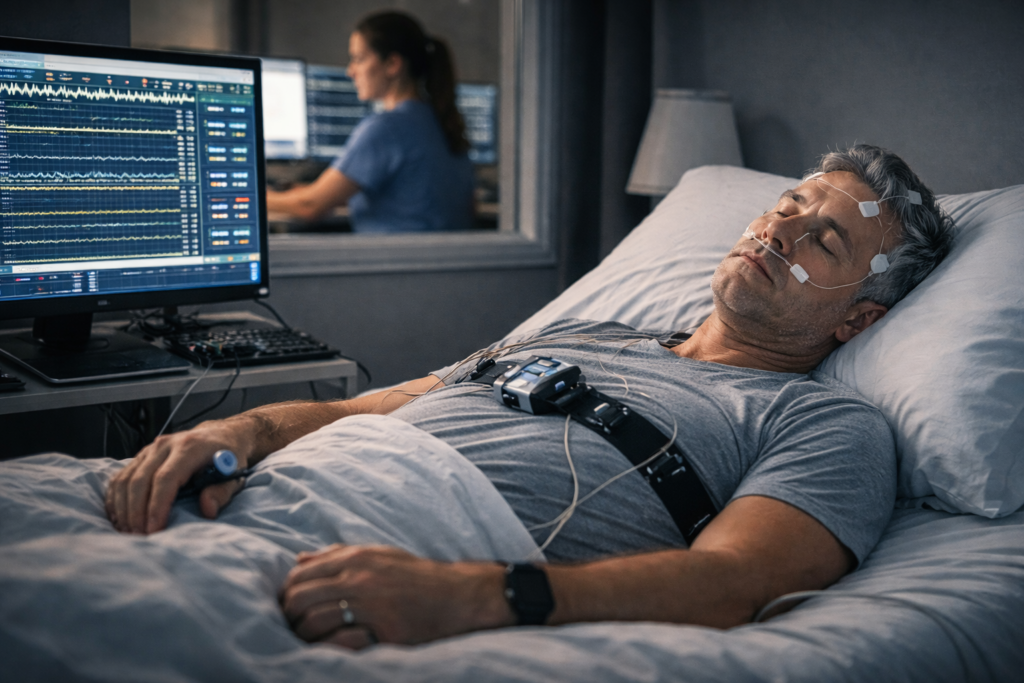
Sleep studies monitor breathing, oxygen levels, brain activity, heart rate, and movement throughout the night. This objective data allows sleep specialists to detect breathing disruptions that may otherwise go unnoticed.
At New Mexico Sleep Labs, sleep studies help uncover subtle sleep apnea patterns and guide personalized treatment plans that address each patient’s unique needs.
Why Early Diagnosis Makes a Difference
Treating sleep apnea early can dramatically improve quality of life. Many patients report improved energy, better focus, enhanced mood, and reduced health risks once treatment begins.
Early intervention also helps protect the heart, brain, and metabolic systems from long-term damage.
Conclusion
Sleep apnea is not limited to loud snorers. Many individuals experience subtle symptoms that quietly disrupt sleep and affect overall health. Recognizing these warning signs and seeking professional evaluation can prevent years of fatigue and reduce serious health risks. By paying attention to how you feel during the day and understanding what happens at night, it becomes possible to take control of sleep health and improve long-term well-being.