
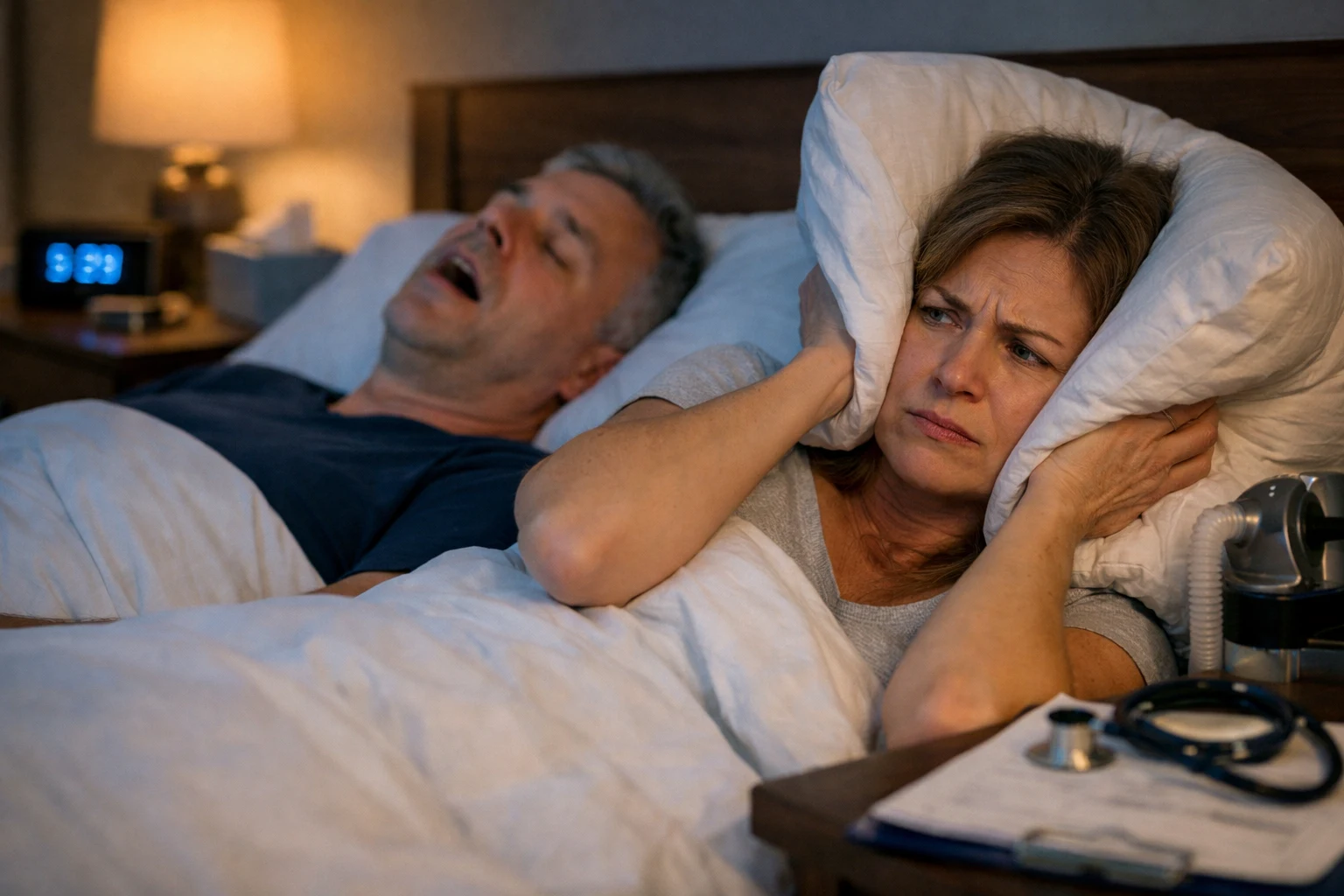
Snoring is often treated as a minor annoyance—something joked about or dismissed as harmless. However, persistent snoring can be a warning sign of underlying sleep-related conditions that impact both sleep quality and overall health. While occasional snoring may not be cause for concern, ongoing or disruptive snoring deserves closer attention.
At NEW MEXICO SLEEP LABS, many patients are surprised to learn that chronic snoring may indicate serious disruptions in nighttime breathing that require professional evaluation.
Why Snoring Happens
Snoring occurs when airflow is partially blocked during sleep, causing tissues in the throat to vibrate. This blockage can be influenced by anatomy, muscle relaxation, nasal congestion, or lifestyle factors such as alcohol use and weight changes.
Understanding the loud snoring causes is essential, as persistent snoring often points to airway resistance that worsens during deeper stages of sleep. Over time, this resistance can lead to repeated oxygen drops and fragmented rest.
When Snoring Becomes a Health Concern
Occasional snoring after a long day or during a cold is usually harmless. However, snoring that happens most nights, increases in volume, or disrupts sleep may signal a more serious issue.
Snoring becomes concerning when it is accompanied by:
- Gasping or choking sounds
- Pauses in breathing
- Frequent awakenings
- Morning headaches
- Dry mouth upon waking
- Daytime fatigue
These symptoms suggest that snoring may be interfering with healthy breathing patterns.
Snoring vs. Sleep Apnea: Understanding the Difference
Many people assume that snoring and sleep apnea are the same condition, but this is not always true. The distinction between snoring vs sleep apnea lies in whether breathing is actually interrupted.
Simple snoring involves noisy airflow without complete pauses in breathing. Sleep apnea, on the other hand, causes repeated airway collapse, leading to breathing stoppages and oxygen deprivation. While not everyone who snores has sleep apnea, most people with sleep apnea do snore.
Breathing Problems During Sleep and Their Impact
Healthy sleep depends on smooth, uninterrupted breathing. When airflow is restricted, the body repeatedly shifts out of deep sleep to restore breathing. These interruptions often go unnoticed but prevent restorative rest.
Ongoing breathing problems during sleep can lead to:
- Elevated blood pressure
- Increased cardiovascular strain
- Poor concentration and memory
- Mood changes
- Higher risk of metabolic disorders
Over time, untreated breathing disruptions can affect nearly every system in the body.

Warning Signs You Shouldn’t Ignore
Snoring should never be evaluated in isolation. Certain symptoms strongly suggest that professional assessment is needed.
Key signs of sleep apnea include:
- Snoring that is loud enough to be heard through walls
- Witnessed breathing pauses during sleep
- Excessive daytime sleepiness despite adequate sleep hours
- Difficulty concentrating or memory issues
- Irritability or mood swings
If these signs are present, snoring may be more than a nuisance—it may be a health risk.
Why a Sleep Evaluation Matters
Many sleep-related breathing disorders cannot be diagnosed through symptoms alone. A clinical evaluation provides objective data about what happens during sleep.
A sleep study for snoring monitors:
- Breathing patterns
- Oxygen levels
- Heart rate
- Brain activity
- Body movements
This comprehensive assessment allows sleep specialists to determine whether snoring is benign or linked to a more serious condition requiring treatment.
The Long-Term Risks of Ignoring Snoring
Untreated sleep-related breathing disorders can contribute to serious health complications. Persistent airway obstruction increases strain on the heart and disrupts metabolic balance.
Long-term risks may include:
- High blood pressure
- Heart disease
- Stroke
- Type 2 diabetes
- Chronic fatigue and reduced quality of life
Early evaluation and treatment can significantly reduce these risks and improve overall well-being.
Who Should Consider a Sleep Evaluation?
You may benefit from a professional sleep assessment if:
- Snoring occurs most nights
- Snoring has worsened over time
- You feel unrefreshed after sleep
- You experience daytime sleepiness
- A bed partner reports breathing pauses
At NEW MEXICO SLEEP LABS, individualized evaluations help determine the underlying cause and guide effective treatment.
Conclusion
Snoring is not always harmless, especially when it becomes persistent or disruptive. While occasional snoring may be normal, ongoing symptoms can point to underlying sleep-related breathing issues that affect long-term health. Seeking a professional sleep evaluation allows for accurate diagnosis, effective treatment, and improved quality of life. Addressing snoring early can protect not only sleep quality, but overall health and well-being.