
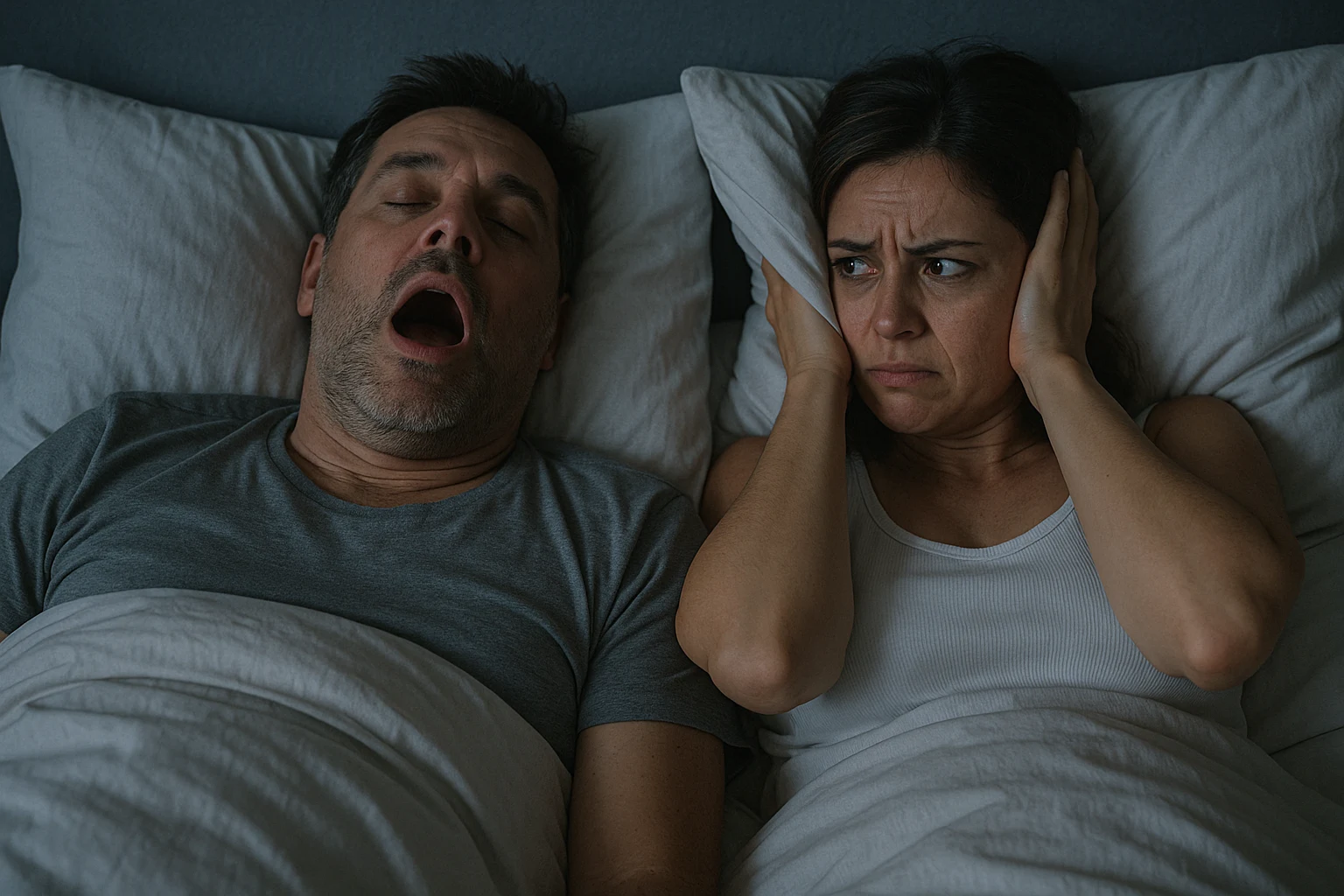
Many people think snoring is just an annoying nighttime habit, but in some cases, it can be a red flag for a more serious sleep disorder. Distinguishing between everyday sleep snoring and a medical condition is essential for protecting your long-term health. At New Mexico Sleep Labs, we regularly evaluate patients who assume their nighttime breathing noises are harmless — only to discover that deeper issues are affecting their sleep quality, energy levels, and cardiovascular health.
Understanding these differences is key. While snoring is common and not always dangerous, certain patterns may indicate obstructive sleep apnea symptoms, a condition that restricts airflow and reduces oxygen levels throughout the night. Learning the warning signs can help you take action early and improve your overall sleep health.
Snoring vs. Sleep Apnea: Why the Distinction Matters
Snoring occurs when air flows past relaxed tissues in the throat, causing them to vibrate. This vibration creates the familiar sound associated with nighttime breathing. However, in the conversation around snoring vs sleep apnea, it’s important to recognize that the two are not interchangeable.
Sleep apnea is a medical disorder characterized by repeated pauses in breathing during sleep. These interruptions can last from a few seconds to over a minute and may occur dozens — or even hundreds — of times per night. While snoring can accompany sleep apnea, the presence of loud nighttime noises doesn’t automatically confirm the disorder.
On the other hand, persistent or unusually intense snoring may be more than an inconvenience. Many patients wonder, is snoring a sign of sleep apnea? The truth is that snoring is one of the most common early indicators of airway obstruction, but not everyone who snores has apnea. The key is learning the signs that suggest a more serious underlying problem.
Recognizing When Snoring Becomes a Health Concern
If your snoring is consistent, disruptive, or worsening over time, it’s worth paying attention. Certain patterns can point to deeper respiratory issues rather than simple nighttime noise.
People often seek evaluation when their snoring begins affecting:
- Their partner’s sleep
- Their own ability to feel rested
- Their morning alertness
- Their daytime performance at work
- Their overall mood and focus
Understanding the underlying mechanisms can reveal why snoring intensifies and when it transitions from a harmless habit to something more concerning.
Common Causes of Snoring and Upper Airway Narrowing
Snoring often emerges from structural or physiological changes that restrict airflow. Some of the most frequent contributors include:
- Relaxed throat muscles
- Nasal congestion or sinus problems
- A deviated septum
- Enlarged tonsils
- Obesity or excess soft tissue in the neck
- Sleeping on your back
- Alcohol consumption before bedtime
While these issues can produce nighttime noise, the causes of loud snoring also overlap with factors that increase the likelihood of sleep apnea, which is why evaluation is important.
When airflow becomes partially blocked, the body compensates by increasing breathing effort. Over time, this added strain can disrupt sleep cycles and leave you feeling fatigued even after a full night in bed.

Key Signs That Snoring May Be Something More Serious
Identifying the difference between ordinary snoring and sleep apnea involves paying attention to certain red flags. These may include:
- Gasping or choking sounds during sleep
- Pauses in breathing witnessed by a partner
- Morning headaches
- Dry mouth upon waking
- Difficulty staying asleep
- Excessive daytime sleepiness
- Poor concentration or memory issues
If these symptoms sound familiar, your snoring may be tied to airway obstruction or apnea-related health concerns.
Understanding sleep apnea risk factors is also important. Individuals with a family history of apnea, a larger neck circumference, hypertension, or obesity may be more likely to develop the condition.
Why You Shouldn’t Ignore Potential Sleep Apnea Signs
Sleep apnea is more than just a nighttime breathing disorder — it can have serious long-term health consequences if left untreated. When your body repeatedly stops breathing, oxygen levels drop, placing stress on the cardiovascular system. Untreated apnea has been linked to:
- High blood pressure
- Stroke
- Heart disease
- Type 2 diabetes
- Mood disorders
- Cognitive difficulties
The earlier you address abnormalities in your breathing patterns, the better your chances of preventing major health complications.
Snoring Treatment Options You Should Know About
If you or a loved one snores frequently, the good news is that many effective snoring treatment options exist today. Depending on the severity and underlying cause, a professional may recommend:
- Lifestyle changes such as weight loss or reduced alcohol intake
- Positional therapy to avoid back sleeping
- Oral appliances that reposition the jaw
- CPAP therapy to improve airflow
- Nighttime nasal strips or dilators
- Treatment for nasal congestion or allergies
- Surgery in cases of anatomical obstruction
Selecting the right treatment depends on a proper diagnosis — and that’s where a sleep study becomes essential.
How a Sleep Study Can Clarify the Cause of Snoring
If regular snoring or suspected apnea is affecting your rest, a sleep study is the most effective way to uncover what’s happening during the night. At New Mexico Sleep Labs, our evaluations monitor oxygen levels, breathing patterns, airflow, brain activity, and body movements to differentiate between simple snoring and disruptive apnea events.
A diagnostic study can determine whether airway blockages are mild, moderate, or severe — and how often they occur. This information guides your care plan and identifies the best strategies to improve your nighttime breathing.
What You Can Do to Protect Your Sleep Health
Monitoring your symptoms and seeking help when snoring becomes disruptive is an important step toward better sleep. Many people ignore snoring for years because they assume it’s normal, but early intervention can prevent more serious complications.
Adopting healthy sleep habits, addressing lifestyle factors, and consulting sleep specialists are all powerful ways to safeguard your long-term well-being.
Conclusion
Snoring may seem harmless, but it can reveal important information about your nighttime breathing and overall health. Learning the difference between typical snoring and potential apnea helps you take control of your well-being and make informed decisions. With proper evaluation, personalized treatment, and professional guidance, you can protect your sleep, safeguard your energy levels, and improve your long-term quality of life.