
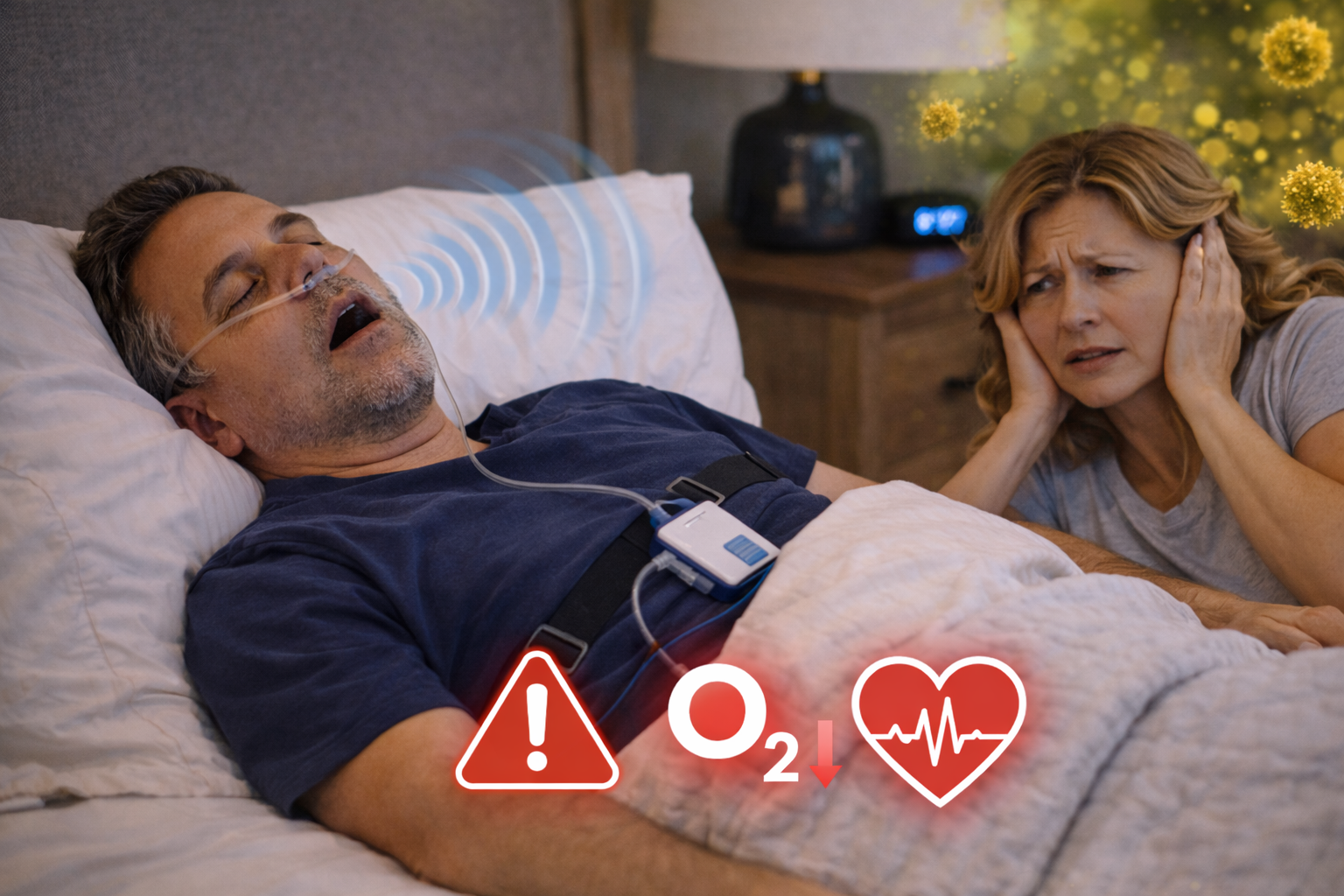
Spring has a way of making everything feel a little harder at night. The air gets heavier with pollen, noses get stuffy, and sleep can become more restless without much warning. A lot of people brush it off as a normal part of allergy season. They assume the extra noise at night is just congestion and that things will go back to normal once the season passes. Sometimes that is true. But sometimes it is not.
For many adults, chronic snoring is one of those symptoms that gets minimized for far too long. It may start as something occasional, something that only happens during bad allergy weeks, or something a partner jokes about. Over time, though, that snoring can become more frequent, louder, and harder to ignore. And when that happens, it is worth asking whether the issue is really just seasonal congestion or something deeper affecting sleep.
At New Mexico Sleep Labs, this is a common concern, especially during spring months when allergy symptoms make nighttime breathing more difficult. What seems like a temporary seasonal annoyance can sometimes reveal an ongoing sleep-related problem that was already there beneath the surface.
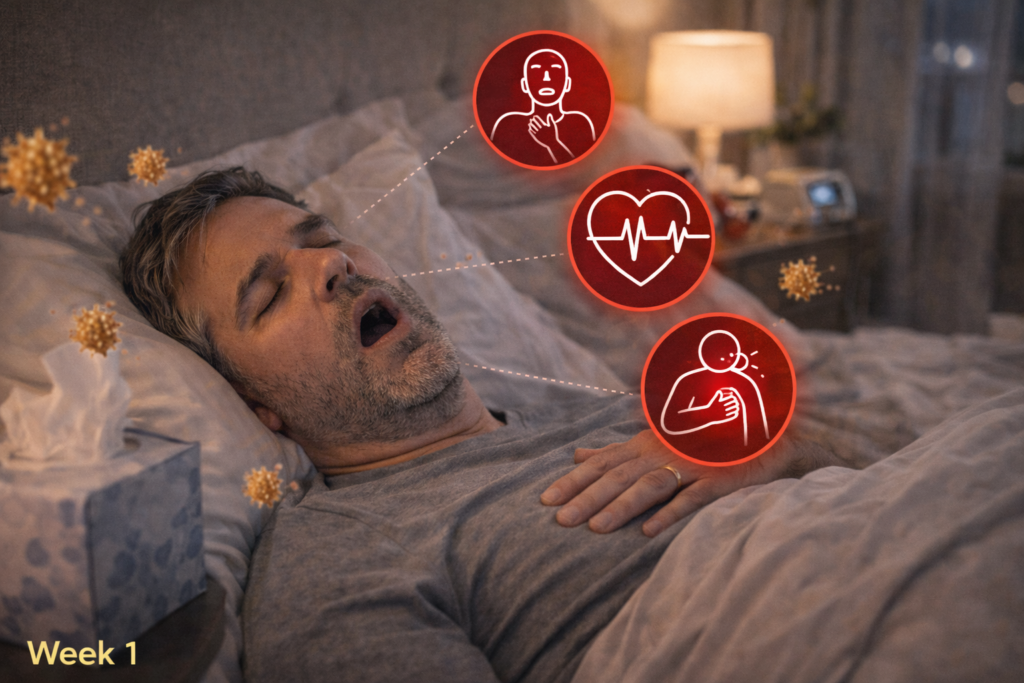
Why allergy season tends to make snoring worse
During spring, nasal passages often become inflamed from pollen, dust, and other environmental triggers. When the nose feels blocked, the body naturally shifts toward mouth breathing during sleep. That change may seem minor, but it can increase vibration in the throat tissues and make snoring much more noticeable.
This is one reason seasonal congestion can amplify snoring even in people who do not usually think of themselves as snorers. Still, allergies are not always the full explanation. If the snoring is intense, frequent, or paired with other symptoms, there may be more going on than a stuffy nose.
Some of the most common loud snoring causes include:
- Nasal congestion from allergies or sinus irritation
- Sleeping on the back
- Weight gain that affects the airway
- Alcohol close to bedtime
- Structural narrowing in the nose or throat
- Ongoing airway collapse during sleep
The important thing to remember is that not all snoring is created equal. Some cases are mild and temporary. Others may point to a more significant breathing issue that should not be ignored.
When snoring stops being “just annoying”
A lot of people think snoring is only a relationship problem. It keeps the other person awake, causes frustration, and creates separate sleeping arrangements. But snoring can also be a signal that sleep itself is being disrupted.
That matters because poor breathing at night does not always wake you up fully. You may not remember tossing, shifting, or partially waking throughout the night. You may just notice the next morning that you feel tired, foggy, or strangely unrefreshed.
A few signs that snoring may be affecting more than noise levels include:
- Waking up tired even after enough time in bed
- Dry mouth or sore throat in the morning
- Morning headaches
- Trouble focusing during the day
- Feeling sleepy in quiet moments
- A partner noticing gasping, choking, or pauses in breathing
These clues can help separate occasional noisy sleep from something more disruptive.
Understanding snoring vs sleep apnea
This is where the conversation gets more important. Many people know they snore, but they are not sure when it crosses into a medical concern. The difference between snoring vs sleep apnea matters because sleep apnea involves repeated interruptions in breathing during sleep, not just sound.
Snoring by itself can happen when air flows through a narrowed airway and causes tissue vibration. Sleep apnea, on the other hand, involves episodes where the airway becomes partially or fully blocked. The body has to work harder to breathe, and sleep becomes fragmented even if the person does not remember waking up.
This is why someone can spend what looks like a full night in bed and still wake up feeling exhausted. The issue is not only how long they slept. It is that their breathing may have been disturbed over and over again.
Allergy symptoms can hide a bigger issue
Spring allergies make it easy to assume every nighttime breathing problem is seasonal. Congestion is obvious, so people naturally blame everything on that. But allergy flare-ups can also expose a problem that has been there all along.
For example, someone may already have a narrow airway, a history of heavy snoring, or daytime fatigue. Once pollen season hits, the added congestion makes the issue more noticeable. Suddenly the snoring becomes louder, the sleep becomes lighter, and the daytime exhaustion becomes harder to explain away.
This is especially important when there are breathing problems during sleep that go beyond simple congestion. If your breathing sounds strained, uneven, or interrupted, that deserves attention. Seasonal allergies may be making things worse, but they may not be the root cause.
Red flags that should not be brushed off
A lot of adults wait far too long to take snoring seriously because it has become normal in their household. It may have been happening for years. It may even feel like part of their identity. But the body is often giving clues that the problem is bigger than noise.
Watch for these common signs of sleep apnea:
- Loud, regular snoring several nights a week
- Pauses in breathing noticed by a partner
- Waking up gasping or choking
- Restless sleep with frequent position changes
- Morning headaches or dry mouth
- Ongoing daytime tiredness
- Brain fog, irritability, or low energy
Even if only a few of these apply, they are worth paying attention to. People often assume they would know if they had a sleep-related breathing issue, but that is not always how it works. In many cases, the partner notices the pattern first.
Why spring is the right time to pay attention
There is something useful about allergy season, even if it is frustrating. It tends to bring nighttime symptoms to the surface. Snoring becomes louder, breathing becomes more effortful, and sleep starts to feel less refreshing. That makes spring a practical time to stop guessing and start looking more closely.
Instead of assuming the problem will disappear when pollen levels drop, it helps to ask better questions:
- Has the snoring been happening for longer than one season?
- Is it getting worse over time?
- Do you still feel tired even after a full night in bed?
- Has anyone noticed pauses or choking sounds at night?
- Do you wake up feeling like your sleep did not really help?
Those questions can reveal whether the issue is likely temporary or something that deserves a professional evaluation.
What a closer evaluation can uncover
A lot of people spend months trying home fixes before they ever consider testing. They try different pillows, nasal strips, humidifiers, or sleeping positions. Sometimes those changes help a little. Sometimes they do not. If symptoms keep returning, it may be time to look deeper.
That is where a sleep study for snoring can be helpful. Instead of making assumptions, it gives a clearer picture of what is happening overnight. It can help identify whether the snoring is simple, positional, allergy-related, or part of a more serious breathing issue that disrupts sleep quality.
This kind of evaluation can be especially useful for adults who:
- Snore loudly on a regular basis
- Feel unusually tired during the day
- Have been told they stop breathing at night
- Wake up with headaches or dry mouth
- Notice their sleep feels unrefreshing no matter how long they stay in bed
The goal is not to label every snorer with a diagnosis. The goal is to understand what is really happening so the next step makes sense.
Simple habits that may reduce nighttime snoring
Not every case of snoring points to a major condition, and there are a few practical changes that may help during allergy season:
- Keep bedroom air as clean as possible
- Shower before bed to remove pollen
- Wash bedding more often during high-pollen weeks
- Avoid alcohol late in the evening
- Try sleeping on your side instead of your back
- Pay attention to whether congestion gets worse at night
These steps can make a difference, especially when seasonal irritation is part of the problem. But if snoring remains loud, frequent, or paired with daytime exhaustion, it should not be dismissed as “just allergies.”
Why the right answer matters
People often adapt to poor sleep more than they realize. They get used to being tired, relying on caffeine, or hearing complaints about their snoring. What they may not realize is that the body can only compensate for so long before the effects start showing up in energy, mood, focus, and overall well-being.
At New Mexico Sleep Labs, the goal is to help people understand whether their snoring is a temporary seasonal issue or a clue that breathing during sleep is not as steady as it should be. Spring congestion may explain part of the picture, but it should not automatically close the case.
Final Thoughts
If your snoring gets noticeably worse during allergy season, that does not automatically mean it is harmless. Sometimes spring congestion simply makes an existing issue easier to hear and harder to ignore. The more consistent the pattern becomes, the more important it is to stop normalizing it.
Good sleep should feel restorative, steady, and easier than this. If nights have become noisy, restless, or draining, paying closer attention now can lead to much better answers later.