
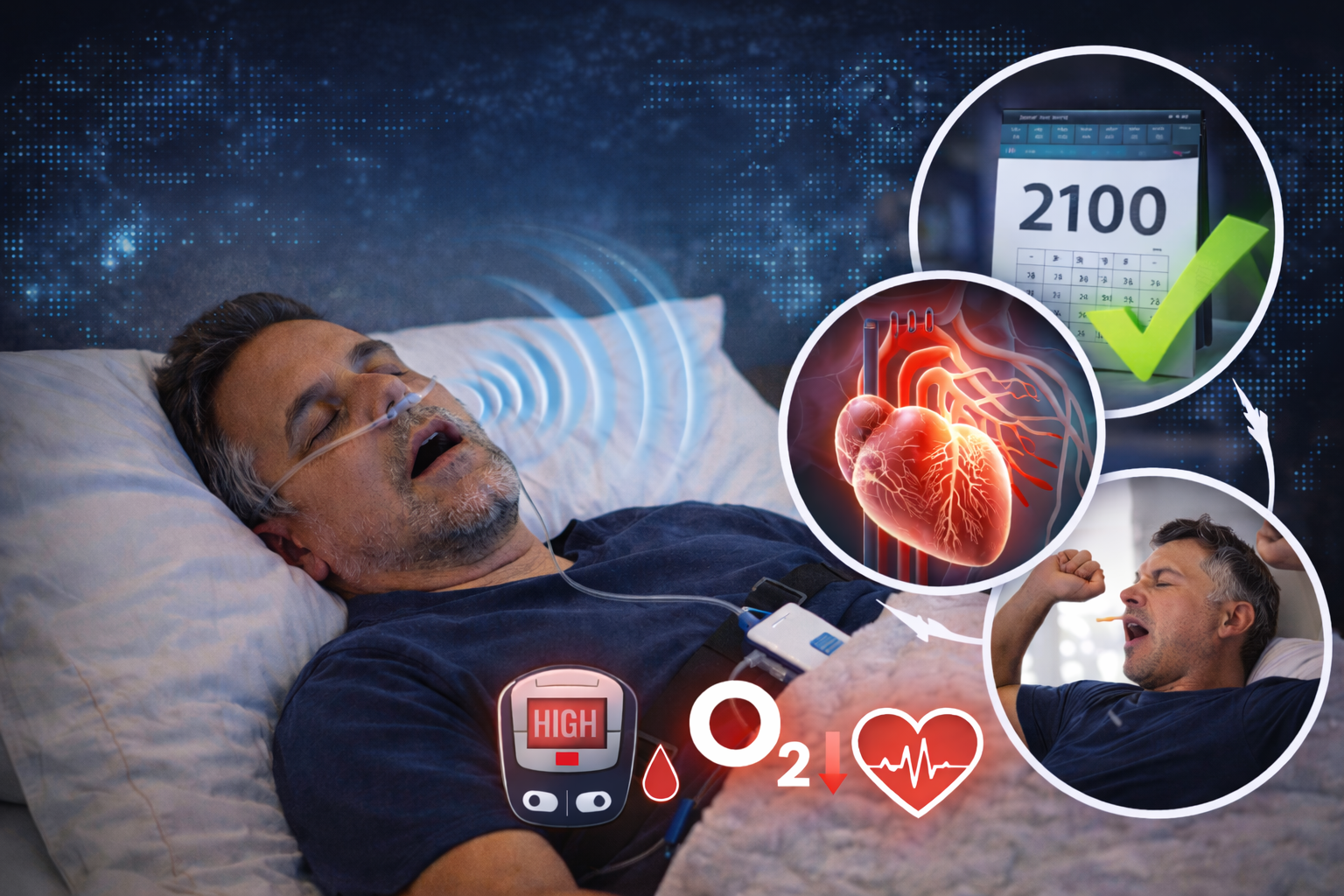
World Health Day is a good reminder that health is rarely about one habit alone. It is usually a mix of daily patterns that quietly shape how the body feels and functions over time. Most people already know that food, movement, and stress matter. What often gets pushed to the side is sleep.
That is a problem, because the connection between sleep and heart health is much stronger than many adults realize. Sleep is not just downtime. It is when the body resets, regulates, and recovers. When that recovery keeps getting interrupted, the effects can show up far beyond morning fatigue. Over time, poor sleep can influence circulation, strain the cardiovascular system, and make it harder for the body to maintain balance.
At New Mexico Sleep Labs, this is one of the most important conversations happening in sleep medicine right now. People tend to think of restless nights as annoying, inconvenient, or something they just need to push through. But when sleep stays poor for too long, the body often starts paying the price in ways that are easier to miss at first.
Why sleep matters more than people think
A lot of adults separate sleep from the rest of their health. They think of it as something optional, flexible, or negotiable. As long as they are getting through the day, they assume they are doing fine. The truth is a little different.
Sleep supports the systems that help regulate heart rate, blood pressure, stress response, inflammation, and recovery. When sleep becomes fragmented or consistently short, the body may spend more time in a state of strain than in a state of repair. That shift may not be obvious overnight, but it adds up.
This is part of what makes sleep such an important public health issue. It is not only about feeling rested. It is about giving the body enough stability to function well over time.
What poor sleep can do to the body
When sleep is disrupted night after night, the body can start reacting as if it is under constant pressure. That does not always feel dramatic in the moment. Sometimes it shows up in subtle ways first.
You might notice:
- Waking up tired even after a full night in bed
- Feeling more irritable or mentally foggy
- Relying on caffeine more than usual
- Noticing headaches in the morning
- Feeling physically drained by early afternoon
- Struggling to recover after stress or activity
These signs may sound common, and they are. But common does not always mean harmless. In many cases, they are part of a bigger pattern tied to the cardiovascular risks of poor sleep.
When the body misses out on steady, restorative sleep, it may have a harder time regulating the processes that support healthy circulation and recovery. Over time, that can make sleep quality far more important than people once assumed.
The blood pressure connection is hard to ignore
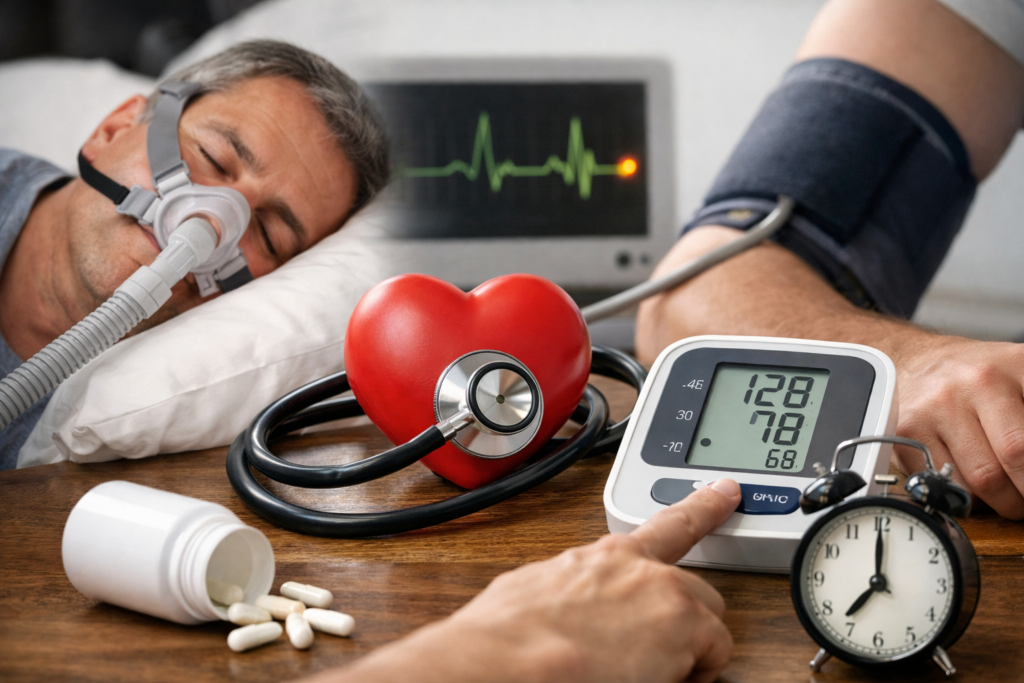
One of the clearest examples of the relationship between sleep and overall wellness is the link between high blood pressure and sleep. Many adults focus on sodium, stress, family history, or exercise habits when thinking about blood pressure. Those factors matter, of course. But sleep belongs in that same conversation.
If the body is repeatedly pulled out of deeper stages of sleep, it may not get the chance to settle into the kind of overnight recovery that helps maintain healthy regulation. Instead of resting fully, the body stays more activated than it should. That can create a pattern where sleep no longer feels restorative and the system stays under more pressure than it was designed to handle.
This is one reason sleep concerns should never be brushed off as a minor lifestyle issue when they keep happening. What feels like “just being tired” can sometimes overlap with a much bigger health picture.
When breathing changes during sleep
Breathing-related sleep issues add another layer to this conversation. A lot of people know snoring can be annoying, but they do not always realize how much nighttime breathing can affect the body.
This is where sleep apnea and hypertension becomes an especially important topic. When breathing is repeatedly interrupted during sleep, even for short periods, the body is forced out of its normal sleep rhythm. That can create stress on the system night after night. The person may not fully remember waking, but the body still experiences the disruption.
A few possible clues include:
- Loud or frequent snoring
- Gasping or choking sounds during sleep
- Morning headaches
- Dry mouth after waking
- Persistent daytime fatigue
- Trouble concentrating
- Restless or unrefreshing sleep
These symptoms are easy to dismiss when life is busy, but they should not be ignored. When breathing at night becomes inconsistent, the effects can go beyond simple tiredness.
The problem with waiting too long
Many people live with poor sleep for years before they ever talk to a professional. They assume they are stressed, overworked, aging, or simply bad at sleeping. Sometimes they blame their schedule. Sometimes they tell themselves everyone feels this way.
That delay matters, especially when the issue involves the untreated sleep disorders risks that can quietly build over time. The longer sleep stays disrupted, the more normal it can start to feel, even when the body is clearly under strain.
That is one reason awareness matters so much. Sleep problems often become background noise in a person’s life. They get used to being tired. They adapt to snoring. They normalize brain fog. They push through the day and assume that is just adulthood.
It does not have to be.
Why World Health Day is the right moment for this conversation
World Health Day is often centered around the bigger picture of prevention, access, and long-term well-being. Sleep fits naturally into that conversation because it affects so many parts of daily life at once. It influences how people think, move, recover, and function. It also affects what happens silently behind the scenes in the body.
This is why more people are talking about sleep health and longevity in a more serious way. The goal is not to chase perfect sleep every night. The goal is to stop treating sleep like something optional when it is actually foundational.
Good sleep supports better energy, steadier mood, clearer thinking, and a stronger sense of physical recovery. It also gives the body a better chance to regulate itself consistently instead of spending every night trying to catch up.
Signs it may be time to look closer
If someone is not sure whether their sleep deserves more attention, a few patterns can be worth noticing.
Look a little closer if you:
- Wake up tired most mornings
- Feel like sleep is never fully refreshing
- Snore regularly or loudly
- Have been told you stop breathing at night
- Wake with headaches or dry mouth
- Feel unusually sleepy during the day
- Notice your energy and focus have dropped over time
These signs do not automatically point to one specific diagnosis, but they do suggest that sleep quality may be affecting more than just how you feel when you wake up.
Better sleep is not just about going to bed earlier
A lot of people respond to poor sleep by trying to get more hours, which is understandable. But sleep is not always just a quantity issue. Sometimes the real problem is what happens after the lights go out.
That is why it helps to ask better questions:
- Is my sleep steady or fragmented?
- Am I breathing normally through the night?
- Do I wake up feeling restored or depleted?
- Have my symptoms become normal only because they have been around for so long?
Those questions shift the focus from “I need more sleep” to “I need to understand my sleep.” That is often the more useful place to begin.
At New Mexico Sleep Labs, that bigger-picture approach matters. The goal is not simply to identify who snores or who feels tired. It is to understand how sleep may be affecting overall wellness and why certain symptoms should not be brushed aside.
Final Thoughts
Sleep deserves a much more serious place in the conversation about long-term health. If nights have become restless, unrefreshing, or physically draining, it is worth paying attention before those patterns feel permanent. What happens during sleep can shape how the body handles stress, recovery, and everyday function in ways that are easy to overlook until they start affecting daily life.
World Health Day is a great time to think beyond the obvious and look at the habits that truly support well-being. And for many adults, sleep is one of the most important places to start.