
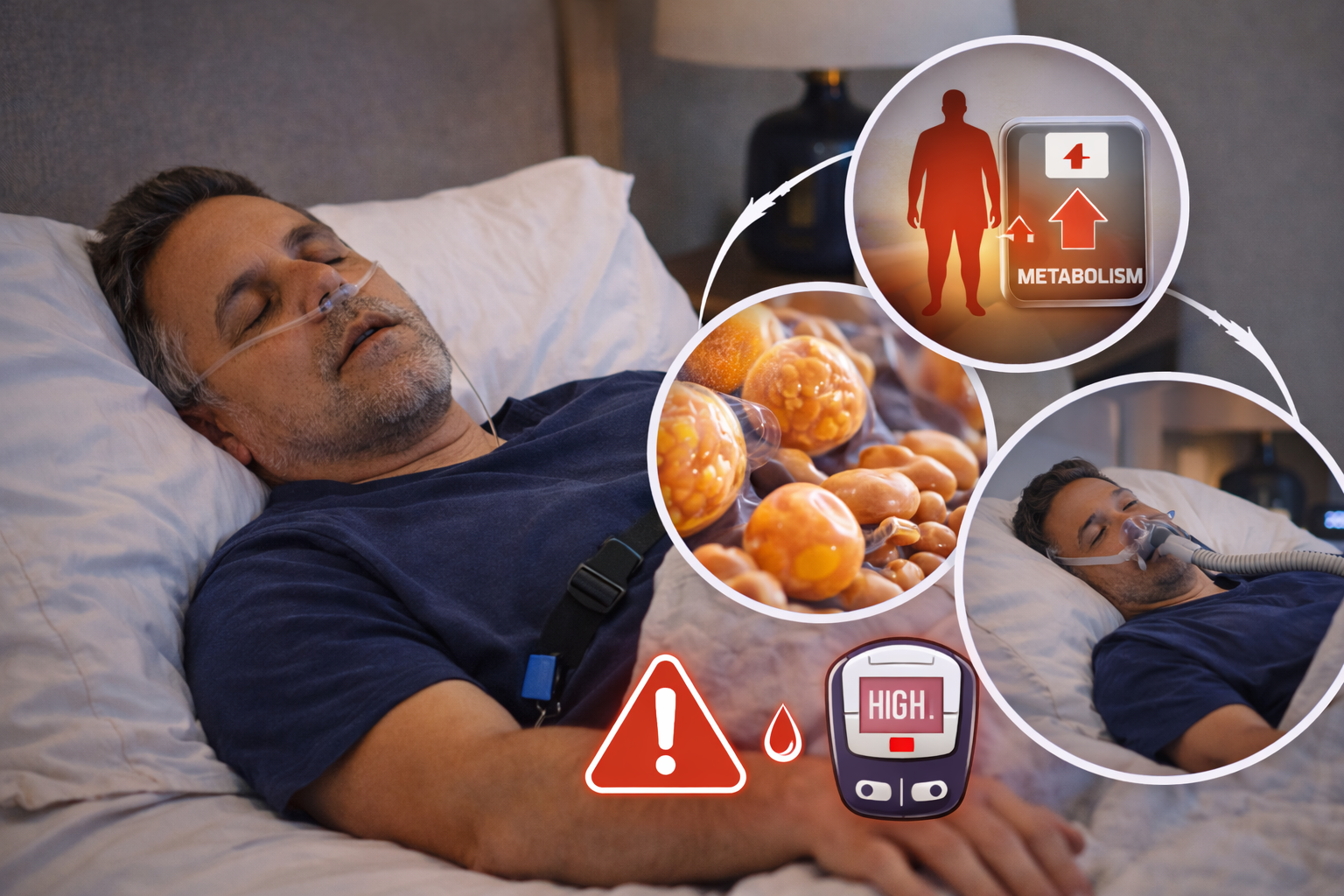
Most people think of weight gain as a food and exercise issue. Eat a little cleaner, move a little more, stay consistent, and everything should fall into place. But real life rarely works that neatly. Plenty of adults are doing their best, making decent choices, and still feeling like their body is working against them.That is where sleep enters the conversation.
The connection between sleep and weight gain has become impossible to ignore, especially for adults who feel stuck, frustrated, or confused by changes in energy, appetite, and metabolism. You may be trying to eat better, cut back on snacking, or stay active, yet still feel bloated, exhausted, and more prone to gaining weight than you used to be. In many cases, the issue is not a lack of effort. It is that your body is not getting the kind of rest it needs to regulate itself well.
At New Mexico Sleep Labs, this is an important part of the bigger picture. Sleep is not only about feeling rested in the morning. It also affects how your body handles hunger, stress, blood sugar, recovery, and fat storage. When sleep gets disrupted for weeks or months, the impact can show up in ways that feel surprisingly physical.
Why the scale does not always tell the whole story
Weight changes are rarely caused by one thing alone. They are usually influenced by a mix of habits, biology, routine, stress, and sleep quality. That is why two people can eat similarly and exercise at the same level, yet have very different results.
When sleep is off, your body does not simply feel tired. It can become less efficient across multiple systems. You may notice:
- Increased cravings late in the day
- More hunger even after eating enough
- Lower energy for workouts or walking
- Harder recovery after physical activity
- Stronger urge to rely on sugar or caffeine
- Mood shifts that make healthy routines harder to maintain
These patterns can build slowly, which is why they are easy to dismiss at first. A little fatigue here, a few cravings there, a few pounds that seem to appear without a clear reason. Over time, though, the effects become harder to ignore.
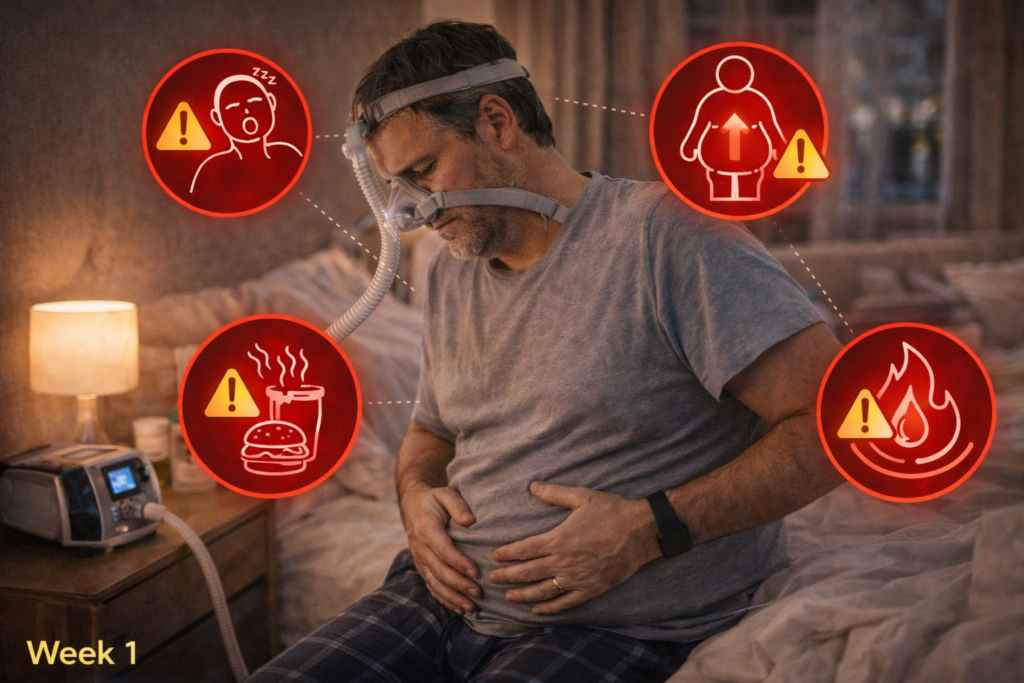
Sleep affects your metabolism more than people realize
One of the biggest misconceptions around body weight is that metabolism is fixed. People often talk about it like you either won the genetic lottery or you did not. But metabolism is influenced by daily behavior, recovery, and sleep.
If your sleep is fragmented, too short, or poor in quality, your body may start responding differently to food and energy demands. This is one reason sleep deprivation effects on weight can be so frustrating. When you are tired, your body tends to look for quick energy. That usually means more cravings, less patience, and a harder time making balanced choices.
Lack of sleep can also make it harder to stay active in ways that feel natural. Even if you still go to the gym, the rest of the day may become more sedentary. You may take fewer steps, feel less motivated, and recover more slowly. That creates a subtle but important shift in your overall energy balance.
The hormone piece matters too
Sleep problems do not stay neatly contained in the bedroom. They ripple into the systems that regulate appetite and stress. That is why hormones and sleep disruption are such an important part of the conversation.
When your sleep is inconsistent or broken up, the body can struggle to regulate the signals that tell you when you are hungry, when you are full, and how stressed you feel. That can translate into a day that feels harder from the moment it begins. You wake up tired, your cravings kick in earlier, and your ability to make steady choices gets tested all day long.
This does not mean sleep is the only reason someone gains weight. It means sleep can quietly tilt the playing field in the wrong direction.
A few common red flags include:
- Feeling hungrier on days after poor rest
- Craving comfort foods more often than usual
- Wanting larger portions late at night
- Reaching for snacks to stay alert rather than out of true hunger
- Feeling wired and tired at the same time
These are not random habits. Often, they are signals that the body is under-rested and trying to compensate.
When breathing issues are part of the problem
Sometimes sleep is not just short or restless. Sometimes it is interrupted by breathing issues that affect oxygen levels, sleep stages, and overnight recovery. This is where sleep apnea and metabolism becomes especially relevant.
Adults with untreated breathing-related sleep problems may spend years focusing only on diet and exercise, without realizing their sleep is working against their progress. If your body is repeatedly pulled out of deeper sleep, it can affect energy, stress response, and the way you feel throughout the day. It may also make it much harder to maintain routines that support a healthy weight.
This is one reason some adults say things like:
- “I wake up exhausted even after being in bed all night.”
- “My energy crashes by early afternoon.”
- “I feel too tired to be consistent.”
- “I am doing the right things, but nothing is changing.”
Those experiences are worth taking seriously. Sometimes the issue is not willpower. Sometimes the problem is that sleep never becomes truly restorative.
The link between long-term fatigue and body weight
There is also a strong reason to look at the relationship between poor sleep and obesity with more nuance. It is not about blame. It is about understanding how sleep affects the body over time.
When a person is constantly under-rested, they are more likely to feel physically drained, mentally foggy, emotionally reactive, and less motivated to keep up with routines that require consistency. That can mean more skipped workouts, more convenience foods, and less energy for meal planning or movement. None of that happens because someone is lazy. It happens because fatigue changes behavior.
Over time, the combination of poor rest and reduced recovery can make weight management feel harder than it should. That is why sleep deserves a place in the conversation right alongside nutrition and activity.
Small signs that your sleep may be affecting your weight
A lot of adults wait until the problem feels obvious before they look closer. But the earlier signs are often more subtle.
You may want to pay attention if you notice:
- You wake up tired most mornings
- Your appetite feels stronger after bad sleep
- You feel sleepy after meals more often than before
- Your weight has shifted even though your habits seem similar
- Your concentration drops sharply in the afternoon
- Your exercise consistency has changed because of low energy
- Your partner notices snoring, restless sleep, or breathing pauses
Those signs do not automatically point to one diagnosis, but they do suggest your sleep may be part of the picture.
What actually helps move things in the right direction
There is no overnight fix, and there is no single habit that magically resets metabolism. But better sleep can support better regulation across the board. That is why many adults can improve metabolism with better sleep when they stop treating rest like an optional extra.
A few helpful starting points include:
- Keeping a more consistent bedtime and wake time
- Cutting down on late-night screen time
- Avoiding heavy meals too close to bed
- Paying attention to snoring or breathing changes
- Creating a bedroom environment that feels cooler and quieter
- Taking persistent fatigue seriously instead of normalizing it
What matters most is looking beyond surface-level advice. If your body keeps sending signals that something is off, it is worth listening.
Why this matters more in 2026
In 2026, more adults are talking openly about stress, burnout, energy, and long-term health. That is a good thing. But one issue still gets overlooked: people often try to fix everything except their sleep. They change diets, buy supplements, push harder in workouts, and blame themselves when results feel slow.
Meanwhile, the body may be running on poor recovery the entire time.
At New Mexico Sleep Labs, the goal is to help people connect those dots. Sleep is not separate from metabolism, appetite, and energy. It is part of the foundation. And when that foundation is shaky, the rest can feel harder than it needs to.
Final Thoughts
If your body feels more resistant than it used to, it may be time to look beyond food and exercise alone. Lasting progress often starts with understanding the deeper factors affecting how you feel each day. Better rest can support better energy, steadier routines, and a healthier relationship with your body overall.
Sometimes the red flags are quiet at first. But once you notice the pattern, it makes sense to take it seriously.